
Ionia County Arrest Records and Court Charges
An Ionia County arrest record is the account of an arrest itself. It shows who was taken into custody, which agency made the arrest, the date, and the booking that followed. That record starts with law enforcement, not the court. The custody and booking side is covered on the Ionia County inmate records page, which points to the jail contact lines and how to confirm who is held. An Ionia County arrest does not automatically become a court charge. A prosecutor reviews the facts first, and only then does a formal charge appear.
The court charge record begins when the prosecutor decides to file. In Ionia County, the elected prosecuting attorney authorizes and pursues charges against people accused of breaking Michigan law or a county ordinance. Those charges are entered with the court, where they become the charge record the public can search. Court charges after arrest are tracked through the case as it moves from arraignment forward. The full case file, pleas, and sentence live on the Ionia County criminal court records page rather than on the charge record alone.
How to Find Ionia County Arrest Records and Charges
Ionia County charges and charge status are searched through Michigan's statewide case system, not a county-built database. Ionia County routes the public into MiCOURT, and the search is court-specific. A user picks the right court first, clears the terms gate, then searches by a name or a case number. The charges filed against a defendant appear inside the case once it is opened.
- Open the MiCOURT public case search and accept the terms page.
- Choose the correct court: the 8th Circuit Court for felonies and the 64-A District Court for misdemeanors and felony arraignments.
- Search by the defendant's name or the case number.
- Open the case and read the charge list, then check each charge code, level, and current status.
Custody after charges are filed sits in more than one place. People who move from an Ionia County arrest into a state prison sentence can be tracked through the Michigan Department of Corrections Offender Tracking Information System.
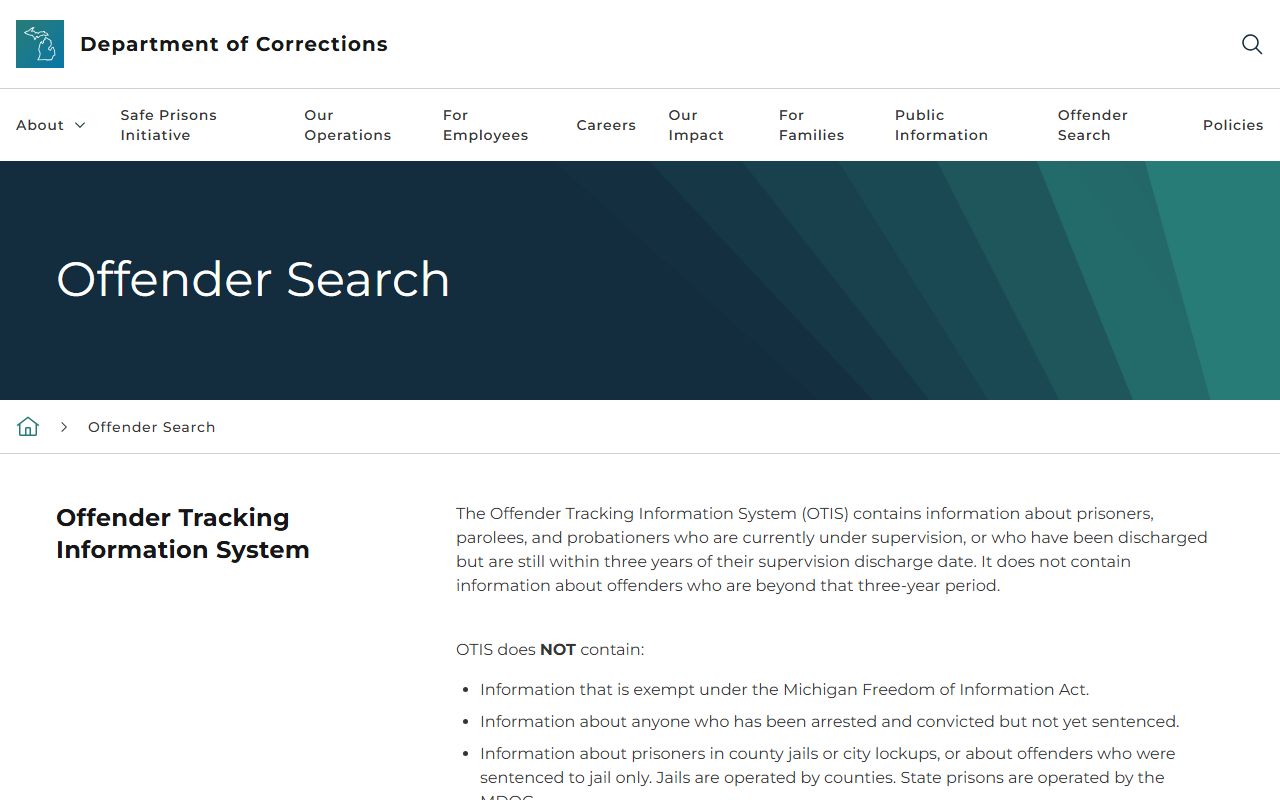
OTIS confirms current state custody but does not replace the court file that lists the underlying Ionia County charges. County jail bookings are not on OTIS, so an in-county arrest is checked through the sheriff's jail line instead. Note: MiCOURT is statewide and court-specific, so a searcher must know whether a matter is a circuit, district, or probate case before it will surface.
How Charges Get Filed After an Arrest in Ionia County
The arrest happens at booking, and the charge record begins a step later. All criminal cases prosecuted within Ionia County are filed at the 64-A District Court. District court magistrates can set bail, accept bond, take guilty pleas, and issue arrest and search warrants. Ionia County Prosecuting Attorney Kyle B. Butler's office reviews the arrest and picks the formal charge. That charge lands on the court record through one of three documents.
| Complaint | Information | Indictment | |
|---|---|---|---|
| Filed By | Officer / Prosecutor | Prosecutor | Grand Jury |
| Common For | Misdemeanors | Many felonies | Serious felonies |
| Starts | The case | The case | The case |
Most Michigan felonies proceed by information after a preliminary examination in district court binds the case over to circuit court. Indictments through a grand jury are uncommon here. A complaint is the usual start for a misdemeanor. Each path opens a case, and each case carries the charge record forward from that first filing.
The split between the two Ionia County trial courts shapes where a charge record sits. The 64-A District Court holds misdemeanor charges from arraignment through sentencing, and it holds felony charges only through the preliminary examination stage. Once a felony is bound over, the 8th Circuit Court takes the charge record the rest of the way. A searcher who cannot find an Ionia County felony charge in the district court index should check the circuit court, because the same case can appear under two courts as it moves.
Charge Status and What It Means
Charges rarely stay frozen. As a case moves, a charge can be amended, reduced, added, dropped, or dismissed. The status shown in the case tells a reader where the charge stands right now. A charge that looked serious at the Ionia County arrest can be reduced by the time of a plea, and a charge listed at booking can be dropped entirely before trial. These are the terms that show up most often on an Ionia County charge record.
| Status | What It Means |
|---|---|
| Pending | The charge is filed and active, and the case has not reached a plea, verdict, or dismissal. |
| Amended / Reduced | The prosecutor changed the charge, often to a lower level, before or during the case. |
| Dismissed | The court dropped the charge, so it no longer moves toward a conviction. |
| Nolle Prosequi | The prosecutor formally chose not to pursue the charge and ended it. |
Charges vs. Convictions
Being charged is not the same as being convicted. A charge is an accusation. A conviction is the result reached by a plea or a verdict. A defendant may be represented by the Ionia County public defender office while the charge is still open, and many charges never become convictions. The table lays out the split.
| Charge | Conviction | |
|---|---|---|
| Stage | Accusation | Verdict or plea |
| Burden of Proof | Probable cause | Beyond reasonable doubt |
| Public Record | Yes | Yes |
Both a charge and a conviction can appear in the public record, but they carry very different weight. A dismissed charge still shows the accusation, not a finding of guilt. Reading the disposition matters as much as reading the charge.
Sealed vs. Expunged Ionia County Charge Records
Some Ionia County charges leave the public view. A sealed record is hidden from ordinary searches but still exists. An expunged, or set-aside, record is treated as though the offense never happened. Michigan's set-aside law under MCL 780.621 spells out who qualifies and how the process runs.
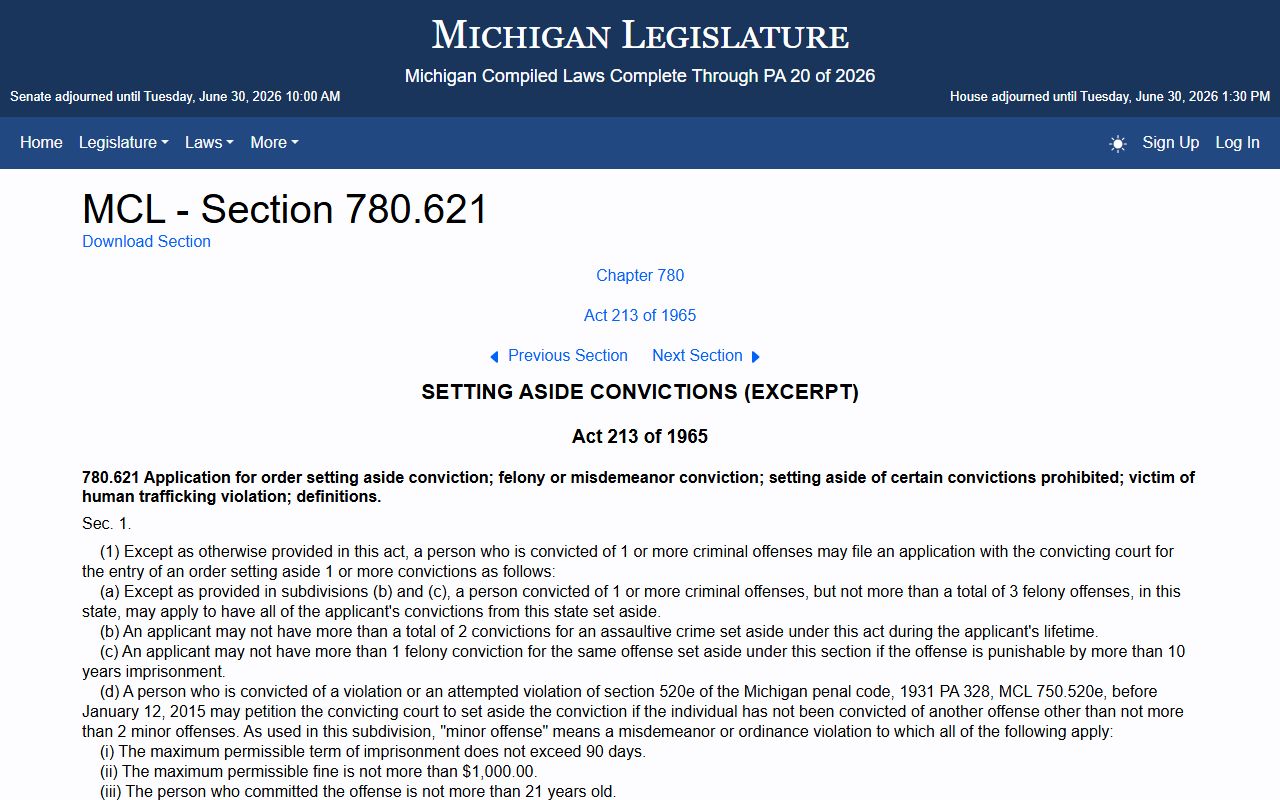
The statute is the path a person uses to clear an eligible Ionia County charge from the public record. Once a set-aside is granted, the charge should no longer surface in a routine MiCOURT search. The comparison below shows how sealed and expunged records differ.
| Sealed | Expunged | |
|---|---|---|
| Visibility | Hidden from public | Treated as never existed |
| Law Enforcement | Limited access | Very limited |
| Eligibility | Juvenile, suppressed, or rule-restricted files | Set-aside under Michigan law, including clean-slate cases |
Note: a record that does not appear in the public search may be sealed or set aside rather than missing, so absence from MiCOURT is not proof no charge was ever filed.
Charge Codes and Severity Levels
Every charge ties back to a statute. The code names the exact law and the level, and the level is what tells a reader how serious the charge is. Michigan sorts offenses into felonies, misdemeanors, and civil infractions. Felonies carry the heaviest penalties and route through circuit court. Misdemeanors and civil infractions stay in the 64-A District Court.
One arrest can produce several separate charges. A single incident may list a felony count, a misdemeanor count, and a traffic count all at once, each with its own code and its own status. That is why an Ionia County charge record often shows a list rather than a single line. Reading each charge on its own gives the truer picture of what a person actually faces.
The severity level also decides how a charge is handled from the start. A felony arrest in Ionia County means an arraignment, a possible preliminary examination, and a bind-over to circuit court. A misdemeanor charge stays in the district court from first appearance to sentencing. A civil infraction is not a crime at all and carries a fine rather than jail time. The code tells the reader which of those tracks a charge is on before any hearing takes place.
Statewide Ionia County Charge and Criminal History Lookups
Charges from Ionia County roll up into a statewide criminal history. A single Ionia County case shows one court file, but a person's full record can span several counties. The Ionia County Sheriff's records page routes the public to ICHAT, the Michigan State Police Internet Criminal History Access Tool. ICHAT searches convictions across Michigan for a per-search fee, which is broader than any single county case search. It is the standard path for a statewide record check on an adult.
Federal charges follow a separate track. A person facing federal prosecution or federal custody is not found through the county or the state prison system. The Federal Bureau of Prisons runs its own inmate locator for people held on federal charges.
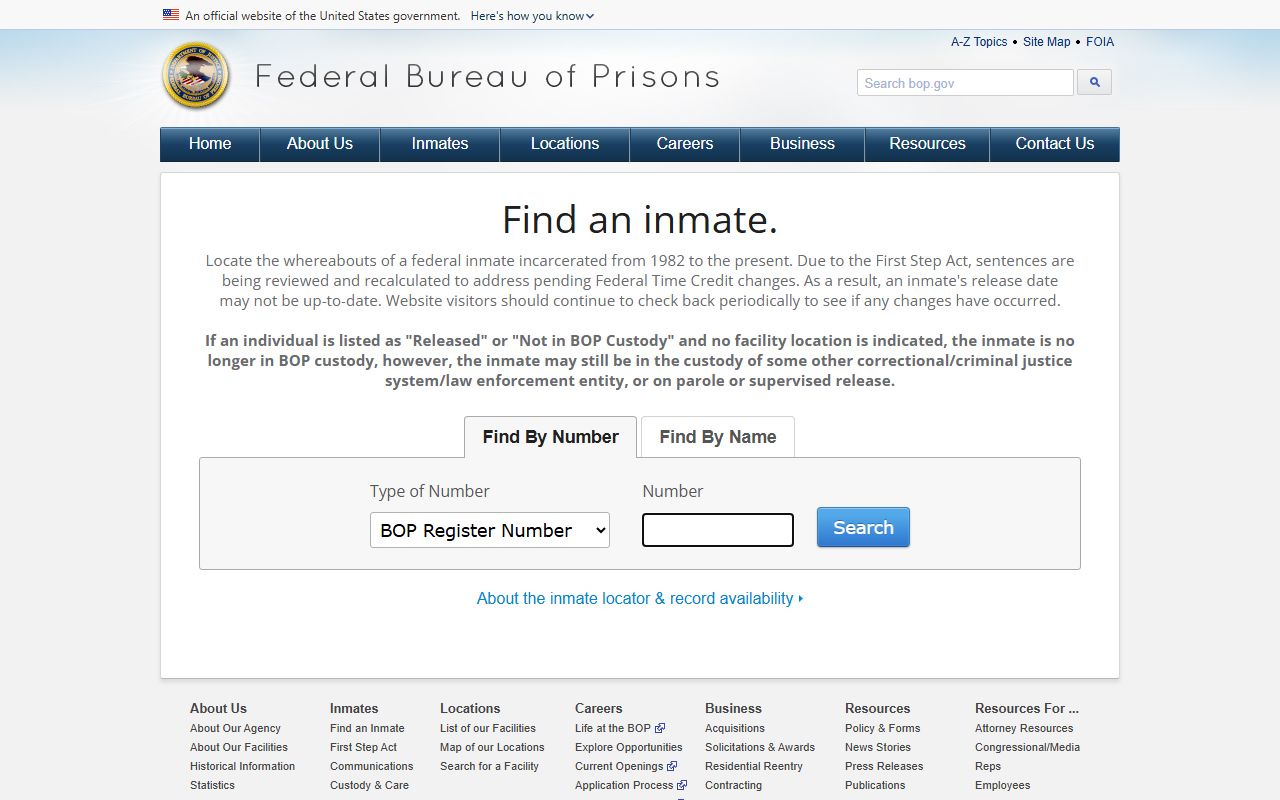
The BOP locator covers federal custody nationwide, so it is the right stop when an Ionia County matter has moved into the federal system. For state prison custody the Michigan OTIS tool applies, and for county jail the sheriff's line is the answer. Each level of charge has its own lookup.
Background Checks and Ionia County Arrest Records
There is a real difference between a casual lookup and a regulated background check. A MiCOURT search or an ICHAT report tells a person what is on the public record. A formal background check used for hiring, housing, or credit is governed by the Fair Credit Reporting Act and must run through a licensed consumer reporting agency. Ionia County arrest records viewed on a free public site do not meet that standard. Anyone screening an applicant on the basis of an Ionia County charge record should use a compliant service rather than a casual court lookup.
Important: This site is not a consumer reporting agency under the FCRA, and its information cannot be used for employment, tenant, credit, or insurance screening decisions.
Restricted Charge Records in Ionia County
Not every charge is open to the public. Juvenile charges are limited under MCL 712A.28, and many juvenile matters are suppressed in the public search. Sealed and set-aside Ionia County charges drop from view. Records tied to an open investigation may be withheld under the Michigan FOIA exemptions until the matter is closed. Dismissed charges sometimes stay visible and sometimes do not, depending on how the case resolved.
Michigan also clears many eligible charges automatically. The automatic set-aside law under MCL 780.621c removes qualifying convictions without a person having to file anything.
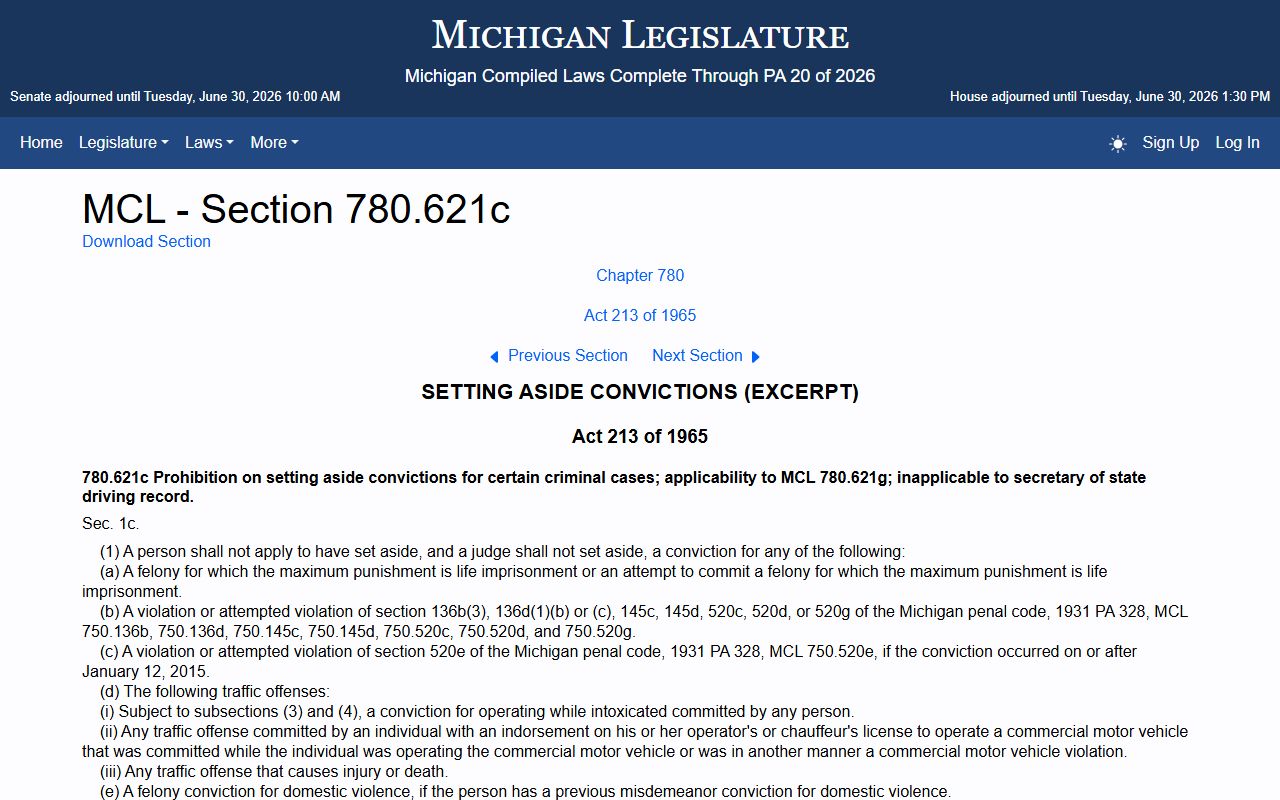
Under that automatic process, some Ionia County charges leave the public record on their own timeline once the waiting period passes. When an Ionia County charge cannot be found and no set-aside applies, the county FOIA process and the sheriff records desk are the fallback routes. Note: treat a hidden charge as unavailable in the public search rather than as one that never existed, since privacy law and sealing can keep real records out of view.